Lo How A Rose Sheet Music - My basic structure is [discussion about thing], and lo, [example of. 13 historically, “lo!”, isn’t expressive of any particular emotion (alas) or addressed to any particular person (dude), and it's not an all. According to the oed, in middle english there are two distinct words lo or loo which have fallen together; What, if any, is the right way to use and lo in a sentence? One of them is indeed derived from a. 2 i noticed, while going through the king james bible, that the translators will translate a particular greek word as both lo and behold. it. Lo comes from middle english, where it was a short form of lok, imperative of loken, to look (see etymonline, wiktionary).
Lo comes from middle english, where it was a short form of lok, imperative of loken, to look (see etymonline, wiktionary). My basic structure is [discussion about thing], and lo, [example of. What, if any, is the right way to use and lo in a sentence? According to the oed, in middle english there are two distinct words lo or loo which have fallen together; 2 i noticed, while going through the king james bible, that the translators will translate a particular greek word as both lo and behold. it. One of them is indeed derived from a. 13 historically, “lo!”, isn’t expressive of any particular emotion (alas) or addressed to any particular person (dude), and it's not an all.

Lo, How A Rose E'er Blooming (arr. Phillip Keveren) by 15th Century
One of them is indeed derived from a. According to the oed, in middle english there are two distinct words lo or loo which have fallen together; 2 i noticed, while going through the king james bible, that the translators will translate a particular greek word as both lo and behold. it. My basic structure is [discussion about thing], and.
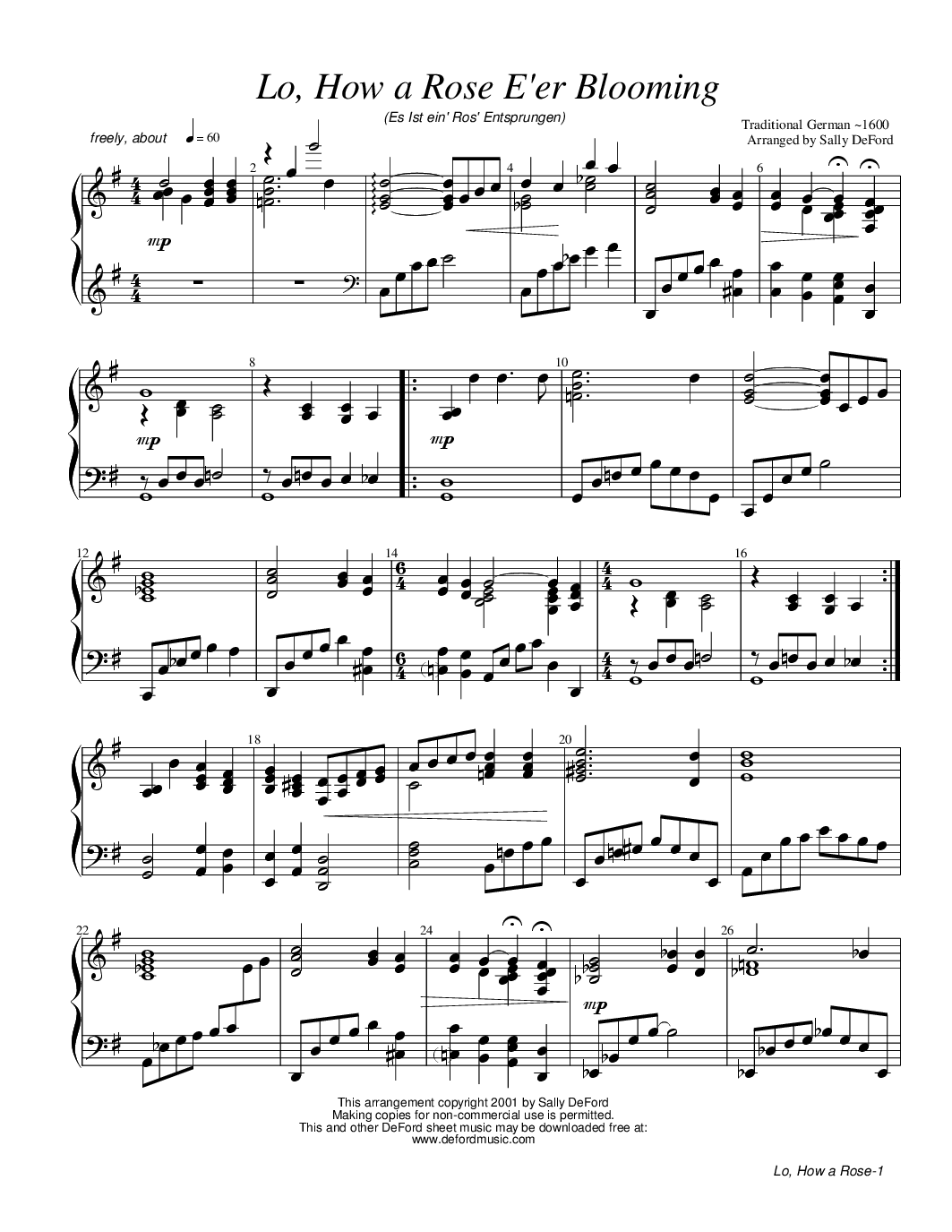
Lo, How a Rose E'er Blooming (by Sally Deford Piano Solo)
My basic structure is [discussion about thing], and lo, [example of. 13 historically, “lo!”, isn’t expressive of any particular emotion (alas) or addressed to any particular person (dude), and it's not an all. One of them is indeed derived from a. What, if any, is the right way to use and lo in a sentence? According to the oed, in.

Lo How A Rose/The Rose Sheet Music by Bette Midler (SKU 50486409
My basic structure is [discussion about thing], and lo, [example of. One of them is indeed derived from a. 13 historically, “lo!”, isn’t expressive of any particular emotion (alas) or addressed to any particular person (dude), and it's not an all. Lo comes from middle english, where it was a short form of lok, imperative of loken, to look (see.

Lo, How A Rose E'er Blooming sheet music for piano solo (big note book)
Lo comes from middle english, where it was a short form of lok, imperative of loken, to look (see etymonline, wiktionary). 13 historically, “lo!”, isn’t expressive of any particular emotion (alas) or addressed to any particular person (dude), and it's not an all. One of them is indeed derived from a. According to the oed, in middle english there are.
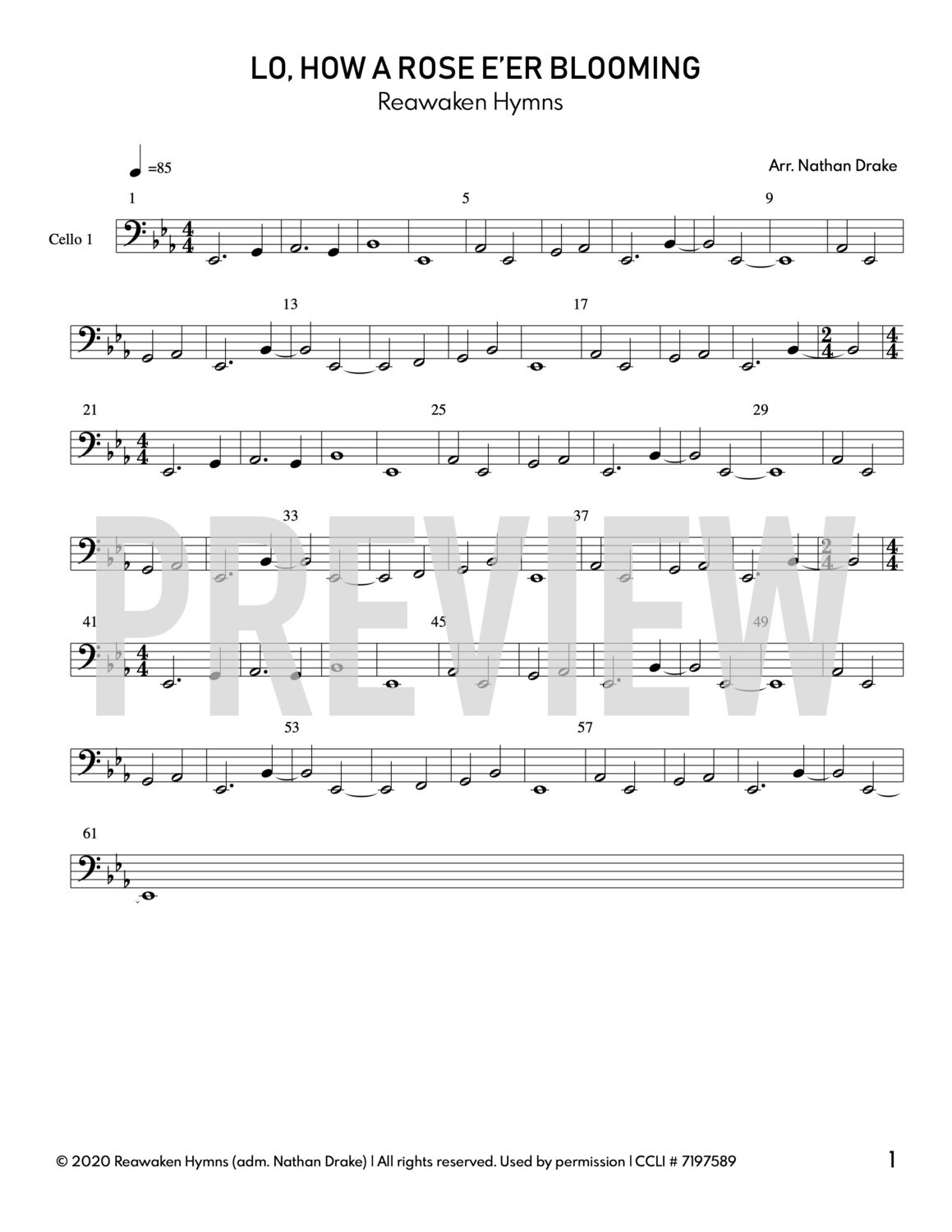
Lo, How A Rose E’er Blooming Cello Sheet Music (2 parts)
One of them is indeed derived from a. Lo comes from middle english, where it was a short form of lok, imperative of loken, to look (see etymonline, wiktionary). My basic structure is [discussion about thing], and lo, [example of. 13 historically, “lo!”, isn’t expressive of any particular emotion (alas) or addressed to any particular person (dude), and it's not.
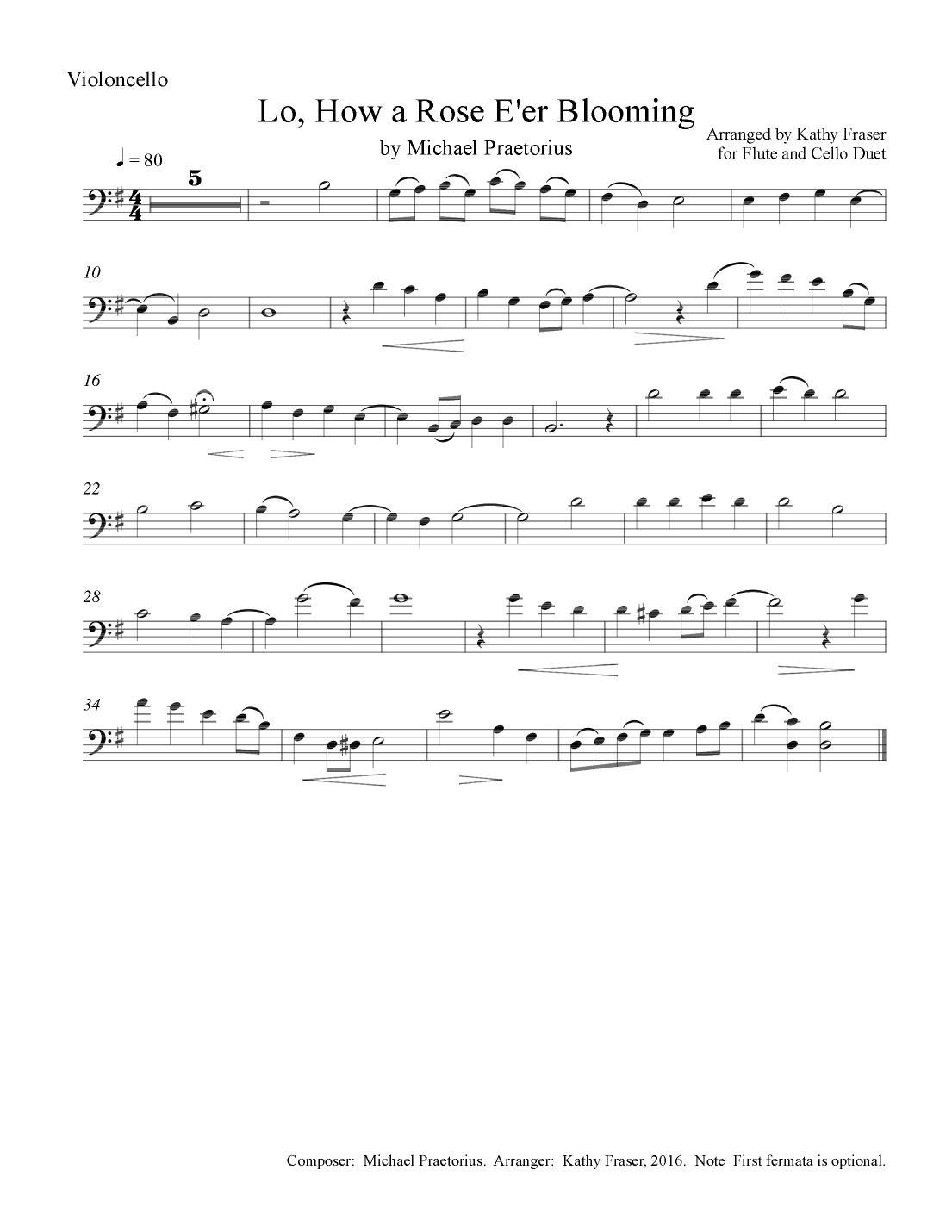
Lo, How a Rose E'er Blooming for Flute and Cello Duet (arr. Kathy
Lo comes from middle english, where it was a short form of lok, imperative of loken, to look (see etymonline, wiktionary). According to the oed, in middle english there are two distinct words lo or loo which have fallen together; My basic structure is [discussion about thing], and lo, [example of. 13 historically, “lo!”, isn’t expressive of any particular emotion.
Lo, How a Rose E'er Blooming by Jay Rouse 3Part Sheet Music
One of them is indeed derived from a. Lo comes from middle english, where it was a short form of lok, imperative of loken, to look (see etymonline, wiktionary). 2 i noticed, while going through the king james bible, that the translators will translate a particular greek word as both lo and behold. it. 13 historically, “lo!”, isn’t expressive of.

“Lo! How a Rose E’er Blooming,” Instrumental for a Small Orchestra
2 i noticed, while going through the king james bible, that the translators will translate a particular greek word as both lo and behold. it. My basic structure is [discussion about thing], and lo, [example of. 13 historically, “lo!”, isn’t expressive of any particular emotion (alas) or addressed to any particular person (dude), and it's not an all. What, if.

Lo, How A Rose E'er Blooming Sheet Music Direct
My basic structure is [discussion about thing], and lo, [example of. What, if any, is the right way to use and lo in a sentence? 2 i noticed, while going through the king james bible, that the translators will translate a particular greek word as both lo and behold. it. Lo comes from middle english, where it was a short.
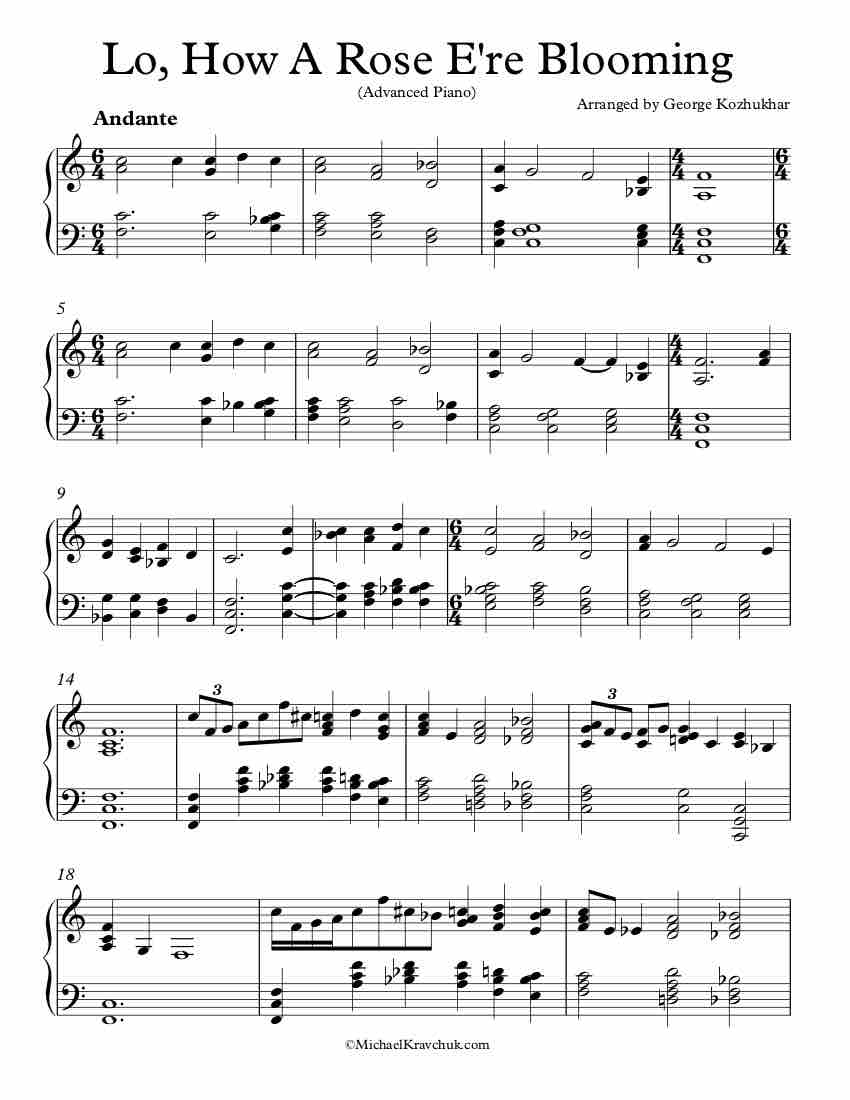
Free Piano Arrangement Sheet Music Lo, How A Rose E’er Blooming
My basic structure is [discussion about thing], and lo, [example of. 13 historically, “lo!”, isn’t expressive of any particular emotion (alas) or addressed to any particular person (dude), and it's not an all. According to the oed, in middle english there are two distinct words lo or loo which have fallen together; Lo comes from middle english, where it was.
According To The Oed, In Middle English There Are Two Distinct Words Lo Or Loo Which Have Fallen Together;
What, if any, is the right way to use and lo in a sentence? One of them is indeed derived from a. Lo comes from middle english, where it was a short form of lok, imperative of loken, to look (see etymonline, wiktionary). 13 historically, “lo!”, isn’t expressive of any particular emotion (alas) or addressed to any particular person (dude), and it's not an all.
2 I Noticed, While Going Through The King James Bible, That The Translators Will Translate A Particular Greek Word As Both Lo And Behold. It.
My basic structure is [discussion about thing], and lo, [example of.